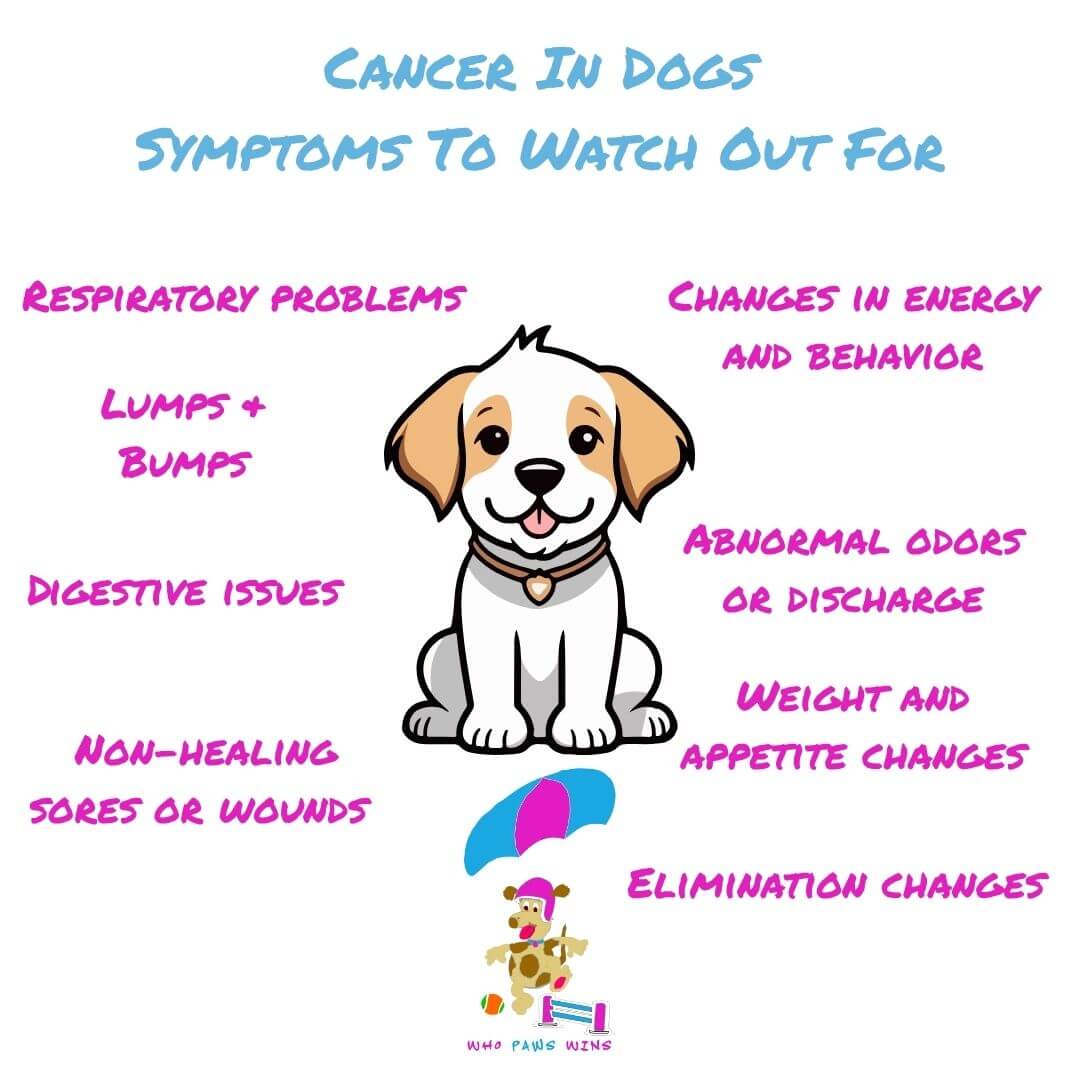
Cancer is a daunting diagnosis, and the world of alternative and complementary therapies can feel like a minefield. This is a topic close to my heart, as my beautiful springer spaniel, Rowan, was recently diagnosed with inoperable laryngeal cancer with lung metastases. This news came as a shock, especially as just a few months prior, there was no sign of cancer when he had a neck abscess. We now suspect that might have been the beginning, but it didn't show on the CT scan. Rowan also has chronic bronchitis, likely due to passive cannabis inhalation before he was rescued, so a cancer diagnosis was always a possibility, but not this acute.
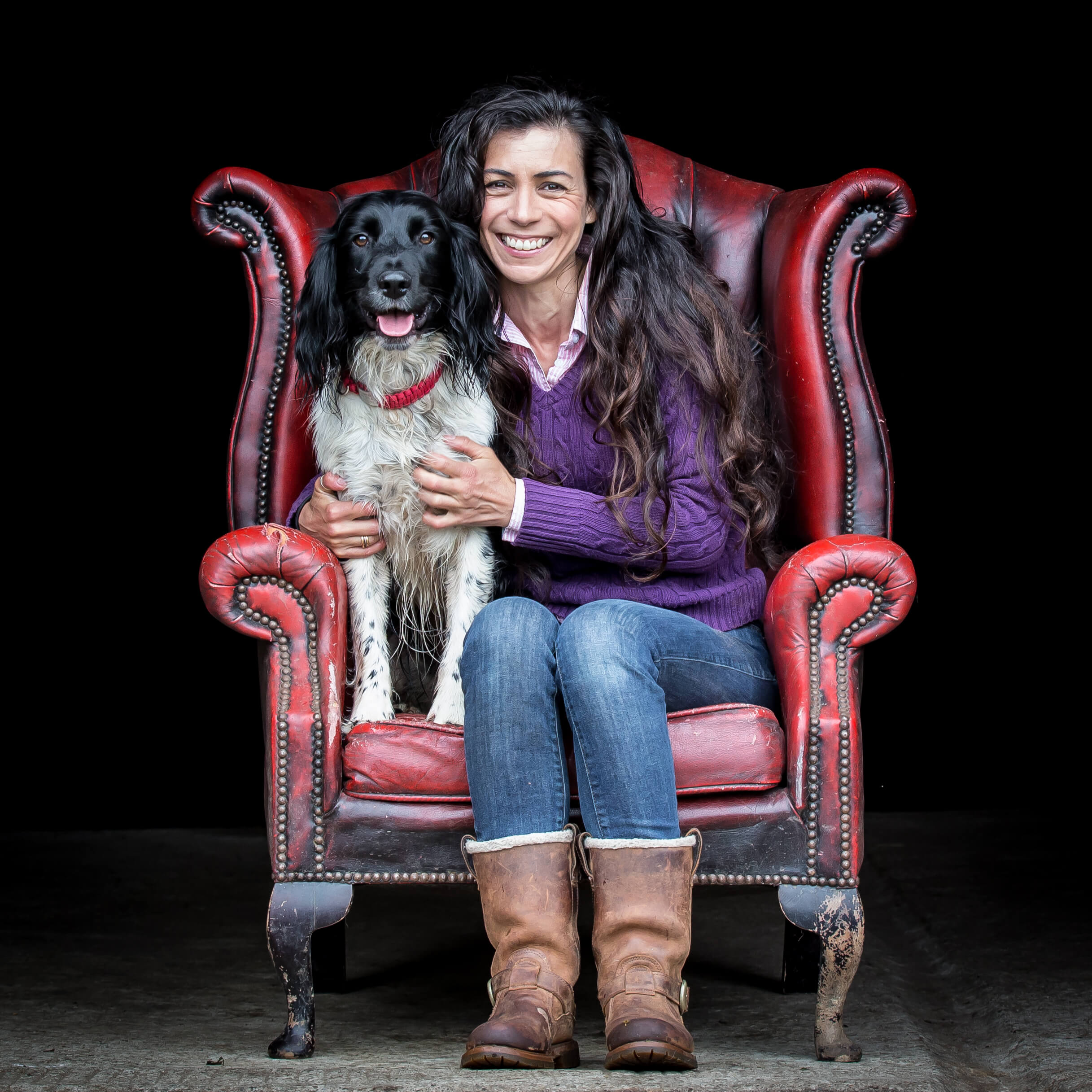
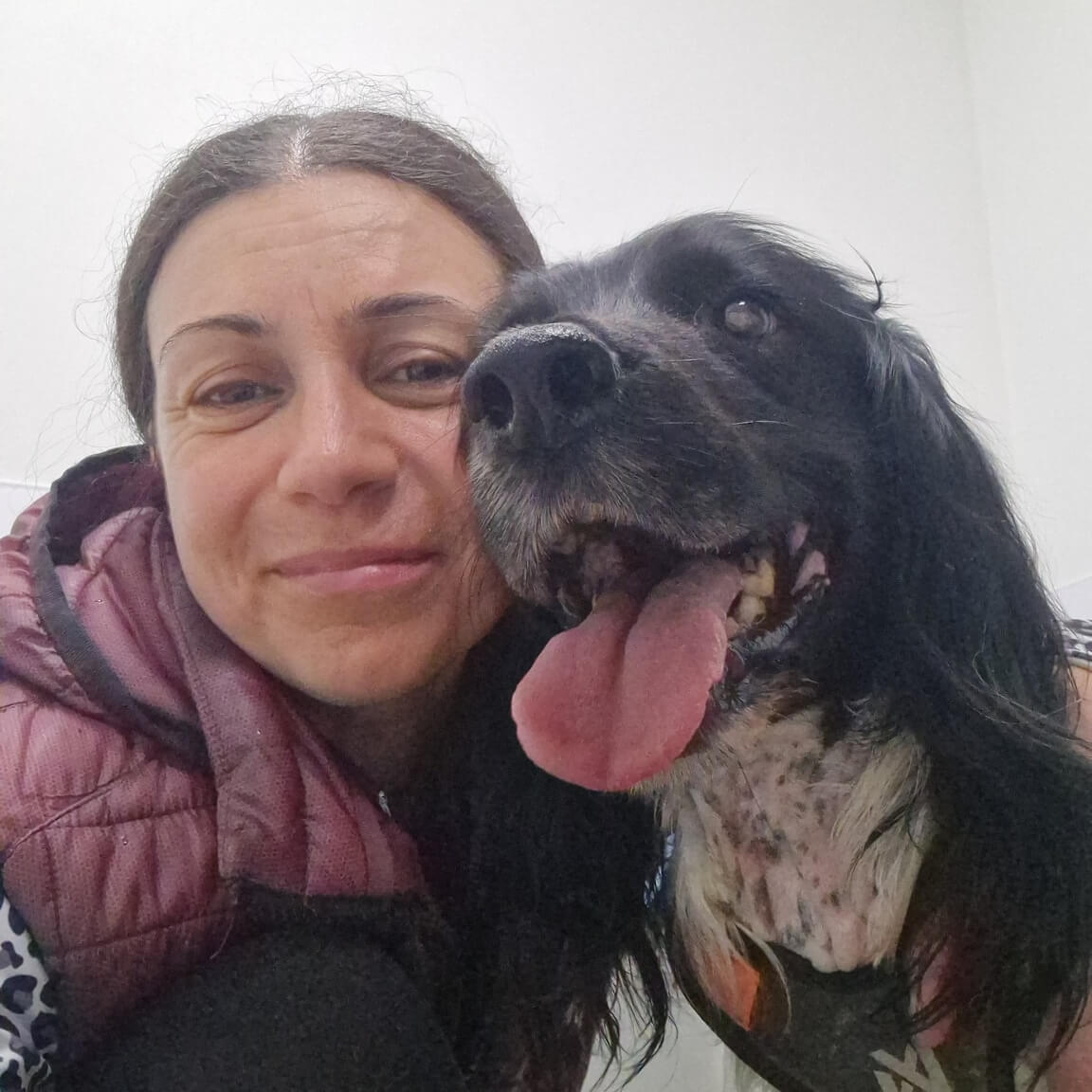
Last week, Rowan's breathing became very wheezy, and I rushed him to VetsNow. The care at their Manchester facility was amazing. When I received the dreaded phone call with the words, "I've got some bad news for you," I immediately thought he had died. The last time I heard those words was on May 28th, when the vet told me Evie had died under anaesthetic. So, when he actually said Rowan had cancer, there was a strange mix of relief and fear. It's incredibly upsetting, having lost two dogs this year, and I initially thought I'd have to put Rowan to sleep that weekend. However, there's a chance for some treatment, and I'm also exploring every holistic option available. This is the very reason for this blog post – holistic cancer care is incredibly complex. I first delved into this challenging world a couple of years ago when Evie was diagnosed with splenic mast cell cancer, but fortunately the lesions on her spleen were not that and removal of her spleen was curative but it certainly led me down a significant rabbit hole of research.
The Pitfalls of Unverified Advice
I frequently receive inquiries for help with canine cancer, and I'm always glad to offer guidance. While many Facebook groups offer advice, the major problem is that they don't address individual cases. These groups are often run by anonymous individuals, and the protocols they suggest frequently lack any evidence. Sometimes, they're based on an alleged success with just one dog, then promoted as a "cure." One such example was a protocol for mast cell cancer suggesting cream cheese and salmon oil – with absolutely no evidence of efficacy. In fact, some of the advice was genuinely poor.
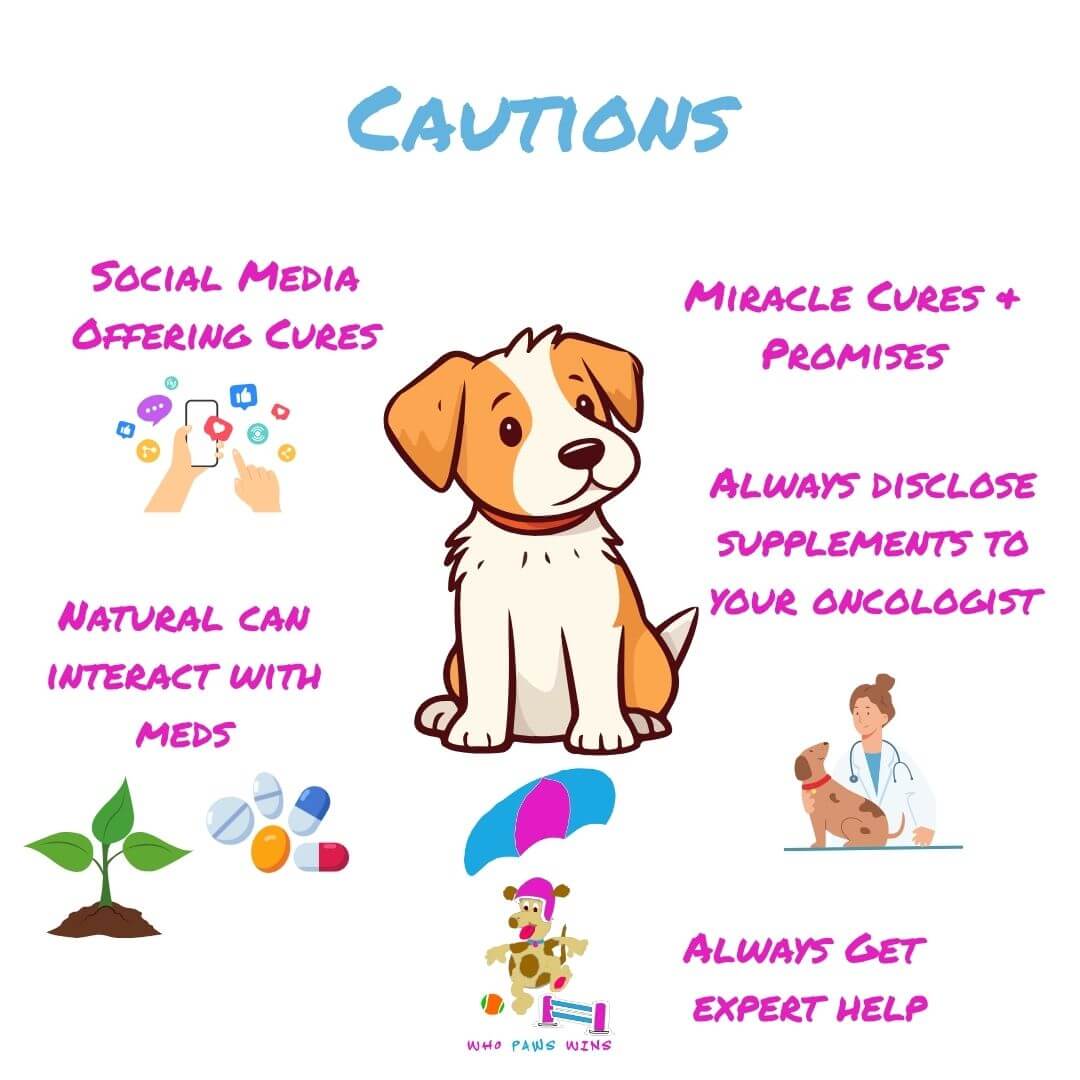
Mast cells are rich in heparin and histamine. I once commented in a group after someone suggested using turmeric, pointing out that it shouldn't be used in this type of cancer due to its anti-coagulant effect. My comment was flagged multiple times by followers, but eventually, the admin conceded I was correct. Had I not intervened, people would have been giving their dogs turmeric, which in this context, is risky and not recommended.
There were many other examples of this, to the point where I was actually removed from the group – which is fine. However, this highlights a similar problem on the human side of cancer care. You have to be incredibly careful. I've seen people calling themselves "functional oncology practitioners." You might assume this means a doctor, but it doesn't; it's a layperson who has set themselves up as an expert to manage cancer, with no medical training whatsoever, and some of their advice is truly dodgy.
Integrating Conventional and Holistic Approaches
I firmly believe in a balanced approach. There are excellent natural options that can support you or your dog through cancer, and some may even help change the disease's trajectory. However, whether natural or not, these can interfere with medication. This is where expert advice is crucial. If you're using natural options rich in antioxidants alongside chemotherapy or radiotherapy, you could actually be working against the conventional treatment. It's vital to allow conventional treatment to do its job.
It's extremely important to disclose all therapies you are using to your oncologist so they can advise. I've always found oncologists to be very open to other therapies, as cancer is inherently a disease with many different trajectories. In many cases, treatment is a bit of an experiment; it's not like pneumonia, where an antibiotic will likely clear it up. We don't have the same guarantees with cancer.
I sometimes encounter people whose dogs are in the very late stages, with vets advising euthanasia, and they ask for my help. I explain that I can certainly help keep their dog comfortable, but I believe they should probably follow their vet's advice. Occasionally, they tell me they've spoken to someone else who suggested a "protocol." When I follow up, I often find out they did have the dog put to sleep fairly soon afterward because the other protocol didn't work, and they spent a lot of money on it. Many people are willing to take your money with the promise of curing your dog; I am not one of them. Of course, I do charge for consultations because they involve a lot of work, but I will always be very honest with you.
I recently had a consultation from a human perspective that was quite challenging. While I had some excellent options for their primary cancer, their metastases presented other problems. Some natural options, such as essential oils, could interfere with their current medications. This is why you need to consult an expert if you plan to pursue a natural route, either on its own or integratively. To be honest, I would always recommend throwing everything you can at cancer, and I advise seeking expert advice from either a holistic vet or a practitioner like myself, with actual training – both as a doctor and a certified animal aromatherapist, trained and endorsed by a vet. I am always happy to share information and my natural recommendations with an oncologist. I can review blood results, and for pets, I can discuss cases with the holistic vet I am endorsed by.
Rowan's Palliative Journey
Returning to Rowan's situation: after being told his cancer was inoperable and unlikely to be cured, the amazing vet at VetsNow contacted several oncology departments, including Cambridge Vet School and the VetsNow oncology department. He discovered a possibility of therapy involving a drug and radiotherapy, which would be palliative treatment. Palliative care aims to extend life and manage symptoms, rather than eliminate the cancer. Curative treatment, like surgery to remove cancer, isn't an option for Rowan. He would require extensive surgery with no guarantee of complete removal due to safety margins, so it would be wrong to put him through that. Therefore, we are pursuing a palliative approach.
I still have many things I can do. Even though it's palliative, he's not at the end of his life. We're experiencing many ups and downs, but twice this week, he chased a squirrel! I wouldn't normally allow it, but rest assured, no squirrels were harmed. It simply showed me he still has fight left, and I'm going to honor that.
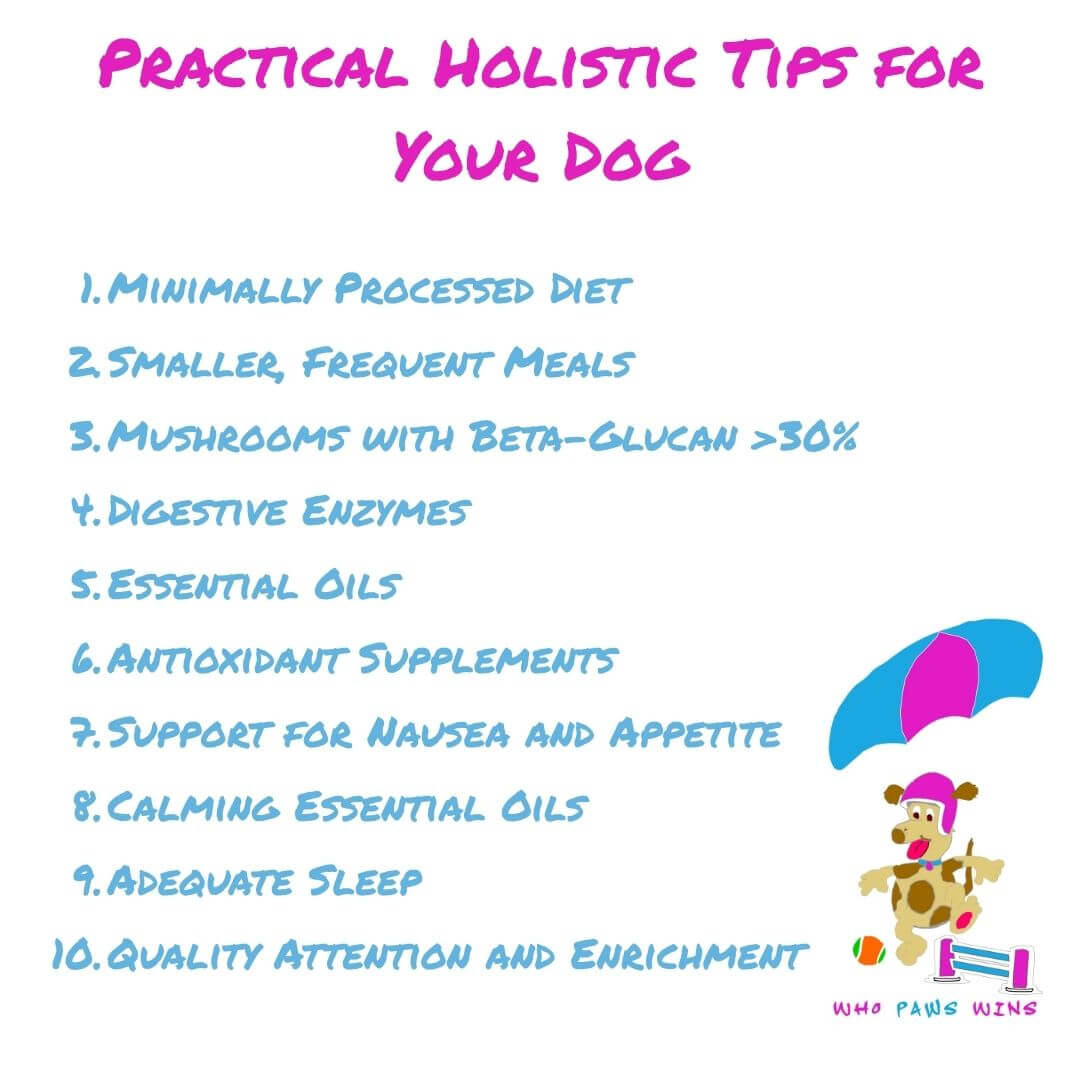
Practical Holistic Tips for Your Dog
Now, let's look at a few things you can use to help your dog:
- Minimally Processed Diet: This is essential to avoid stressing your dog's immune system. Getting your dog onto a minimally processed diet and off kibble is crucial. The Keto Pet Sanctuary did interesting work using a keto diet to help shelter dogs with cancer. While the studies show good results, it's important to remember this was done under very controlled conditions with specific exercise regimens, so it may not be easily replicated in the real world. However, it still highlights promising outcomes.
- Smaller, Frequent Meals: Nausea or lack of interest in food is common, so smaller, more frequent meals may be more enticing. You might also need to try different food combinations.
- Mushrooms with High Beta-Glucan: Mushrooms with over 30% beta-glucan have shown to be rich in antioxidants and possess anti-cancer properties. There are studies and good evidence; you can read more about Turkey Tail mushrooms here https://www.thehealthfuldoctor.com/news/2023/9/1/turkey-tail-mushrooms/
- Digestive Enzymes: Adding digestive enzymes is critical to allow your dog's body to allocate more energy towards healing rather than digestion. If you want to read more about the one I recommend, here is the link to the blog. https://www.thehealthfuldoctor.com/news/2022/5/30/would-your-dog-or-cat-benefit-from-digestive-enzymes/
- Essential Oils: A variety of essential oils can support the body in its fight against cancer. Frankincense, copaiba, and turmeric are popular choices, among others. However, they can interfere with some medications, so you must get expert advice before using them.
- Antioxidant Supplements: Supplements rich in antioxidants like curcumin and resveratrol (e.g., grapeseed extract, pomegranate, or a polyphenol complex) are beneficial.
- Support for Nausea and Appetite: Consider specific essential oil blends to help with nausea or vomiting, which Rowan is experiencing, and to promote appetite, as lack of appetite is often a side effect of medication. Good options for nausea include peppermint, ginger, and cardamom, while wild orange can stimulate appetite.
- Calming Essential Oils: Using essential oils to help keep your dog calm is very useful, especially if cancer involves the airway, as agitation can stress their breathing. I have to be extremely careful with Rowan in this regard. Copaiba, lavender, Roman chamomile, and valerian are all excellent choices.
- Adequate Sleep: Ensuring your dog gets enough sleep is crucial for their ability to fight cancer. If you have other pets, make sure your dog has a quiet place to relax.
- Quality Attention and Enrichment: Your dog may be too weak for walks, but they can still benefit from fresh air and enrichment. Consider a trolley or stroller, or visit secure fields. Last week, I drove to a secure field that allowed me to park in the field. I kept the van door open, and Rowan could join us in the field when he wanted to, returning to the van when he was tired. This was perfect, offering a nice combination of activity and rest. Such things are vital for maintaining a good quality of life. He probably doesn't know he's ill but feels tired, so doing things he enjoys will help immensely and is important for making memories.
If you would like help with your dog or even for yourself if you are going through this, please reach out to learn about my consultations. I offer specific cancer consultations, but I always prefer to discuss your situation first to determine how I can best help and what the optimal options are.
If you are currently navigating this challenging journey, my heart goes out to you. All we can do is our best for our dogs: keep them comfortable, pain-free, and as happy as possible, and make those precious memories, for they are all we have to cling to at the end of the day.
Ready to embrace a holistic path to well-being for your entire family – paws and all? As a medical doctor specialising in integrative health, essential oils, and animal behaviour, I offer tailored consultations designed to empower you and your beloved pets.
Follow On Social Media
Please remember: Information shared is for educational purposes and not a substitute for medical or veterinary advice. Always consult with a qualified professional for specific health concerns.