If you've ever experienced the throbbing pain, the crippling sensitivity to light and sound, and the debilitating nausea of a migraine, you're far from alone. Like many of you, I have suffered with migraines for years. They've been a relentless battle, a neurological storm that can truly hijack your life. Stress, lack of sleep, and hormonal changes are all triggers for me – a challenging combination! But I've found that if I can get on top of those, I'm in a much better place. In fact, when I finally sorted my hormones out, I was migraine-free for 18 months, until stress, that persistent foe, came calling again.

I've tried many different things for relief. Over-the-counter drugs have never been very effective for me. Sometimes, if I take ibuprofen or aspirin at exactly the right time, or good old sumatriptan, I can stop a migraine from starting. But once it's here, that "juggernaut" feeling means there's nothing I can do to stop it. I typically struggle with dizziness and some nausea, but it's mainly the dizziness, leaving me with no choice but to stay still. My natural remedies help but it is more making it less bad than pure relief.
As a doctor, I see many people in the emergency department struggling with migraines. The key to managing migraines, as I've learned both personally and professionally, is to focus on prevention. This is truly fascinating because the causes are so multifaceted. My mum also suffered from migraines, and she even found specific triggers like eating oranges and chocolate in the same meal!
Let me share a recent "aha!" moment. Last year at a canicross event, I finished my race, sorted my dogs out, and had breakfast – all seemed good. But then I felt a headache starting. I initially thought it was dehydration (another common trigger for me) and drank loads, but nothing worked. I just had to curl up under my duvet and let it run its course. It was frustrating, but it led to a breakthrough. I started to realise there was a pattern when I was away in my campervan: I exercise first, then eat. At home, I eat, then exercise. It wasn't dehydration; it was hypoglycemia – low blood sugar! Get that sorted, and the headache is gone. This simple revelation made a huge difference.

Another quick story that highlights how subtle triggers can be: a few years ago, a colleague was struggling with frequent migraines. We chatted, and I asked him about his diet, knowing that E numbers and processed foods can be factors. He said he'd looked at everything, pared down his diet, wasn't adding any artificial things, and was eating really plain food. The list went on. Then I asked him what he was drinking. "No fizzy pop, nothing," he replied, saying the only thing he was having was a "natural" squash from a well known supermarket. I said, "Let's look at the ingredients." They didn't seem too bad. But I told him, "Do me a favour, just stop drinking the squash for a week and let's see." He stopped, and guess what? He messaged me to say he hadn't had a migraine in over a week! He had been getting them every couple of days. So, even the things we think are okay can sometimes be affecting us.
Understanding the Impact of Migraines
Migraines are a significant health issue in the UK, affecting a large portion of the population and causing substantial disruption. Here's a clearer look at the statistics:
- Approximately 190,000 people in the UK experience a migraine attack every day.
- Annually, migraines lead to an estimated 11 million lost hours of work.
- Women are disproportionately affected, with migraines occurring in a 3:1 ratio compared to men.
- For young, working individuals, migraines are the leading cause of disability.
- Overall, they are the third-highest cause of disability globally in terms of years lived with disability, ranking just behind conditions like stroke and dementia.
- The total impact on productivity in the UK amounts to 43 million days of work lost each year due to migraines.
Migraine is fundamentally a neurological disorder characterised by sensory disturbances originating from the brainstem. There's an inherited tendency for the brain to lose control of its sensory input, leading to a lowered migraine threshold. An analogy for this is an overflowing, boiling pot; you need to turn down the heat. And remember, medication overuse headache (MOH) can be caused by using analgesia more than two days a week for three months. While you can't change your genes, you can change your environment. Building brain resilience and balancing the autonomic nervous system are essential foundations for long-term migraine relief.
Fuelling Your Body: The Power of Starchy Foods and Stable Neurotransmitters
One crucial aspect of migraine management often overlooked is the role of consistent blood sugar levels and their influence on our brain's delicate chemistry. Fluctuations, particularly drops in blood sugar, can be a major migraine trigger because they directly impact the balance of our neurotransmitters – the chemical messengers that transmit signals throughout your brain and body. Energy pathways, neurotransmitters, and inflammation are all impacted by blood sugar.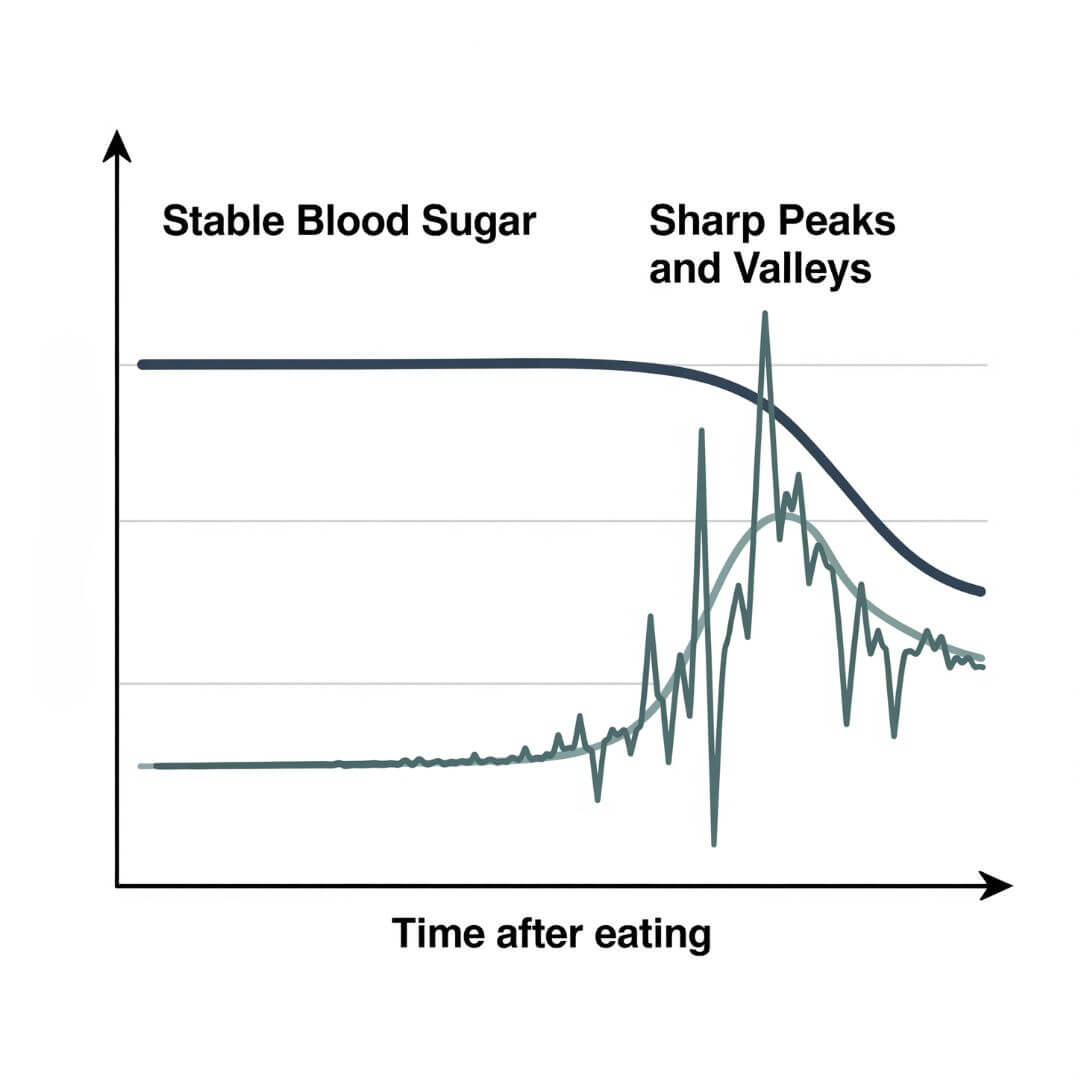
Think of starchy foods like bread, pasta, rice, potatoes, and cereals as your body's steady fuel source. These complex carbohydrates provide a slow and sustained release of glucose, helping to maintain stable blood sugar levels. When blood sugar crashes, it can disrupt the delicate balance of neurotransmitters, potentially triggering a migraine.
To help prevent these fluctuations and support optimal neurotransmitter function, it's wise to:
- Avoid sharp spikes and crashes: Strive to keep your blood sugar stable throughout the day.
- Look at food combinations and timing: Be mindful of when you time your meals and snacks.
- Eat regularly: Avoid long periods of fasting, missing, or delaying meals. Prolonged hunger can send your blood sugar plummeting, directly impacting neurotransmitter activity.
- Maintain even intervals: Aim to eat every few hours (e.g., every four hours) to keep your blood sugar stable throughout the day. This consistent fuel supply supports continuous, balanced neurotransmitter production.
- Fuel up before activity: If you're planning vigorous exercise or sports, have a starchy snack beforehand. This provides sustained energy and prevents a sudden drop in blood sugar that could otherwise stress your system and trigger a migraine. For me a plant-based protein smoothie made all the difference - learn more about the one I use in my blog https://www.thehealthfuldoctor.com/blog/2024/1/19/plant-protein-powder/
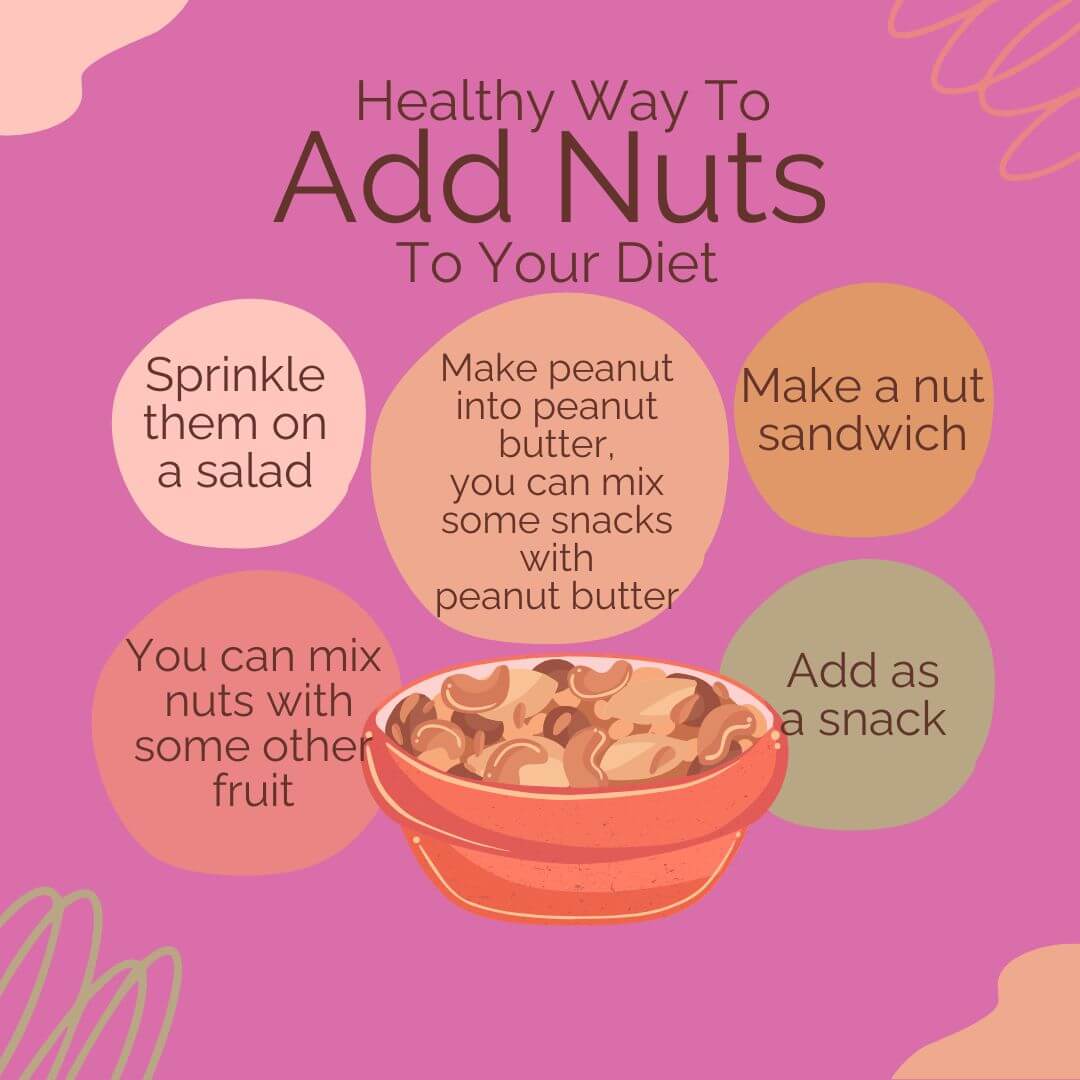
- Integrate into balanced meals: Make sure your main meals include a good portion of starchy foods, combined with protein and healthy fats, for sustained energy release and nutrient absorption. Blueberries, chia seeds, and flax seeds are excellent for stabilizing blood sugar.
- Don't go too long without eating: Try not to exceed 15 hours between your evening meal and breakfast. A small, pre-bedtime starchy snack can be beneficial if you eat dinner early.
- Light exercise after eating: Ten minutes of light exercise after eating can also be beneficial for blood sugar regulation.
- Consider a refined carbohydrate detox: Try stopping refined carbohydrates for 10 to 12 weeks to see if it makes a difference.
- Intermittent fasting caution: Intermittent fasting can be tricky for migraines, so it's generally best to stabilize your migraines before attempting it.
- Shift workers: If you're a shift worker, try to make your nighttime shifts mimic daytime conditions.
Beyond Food: Lifestyle Factors for Migraine Relief and Neurotransmitter Harmony
While diet is key, a truly holistic approach to migraine management involves addressing several interconnected lifestyle factors that directly influence your neurological health and neurotransmitter balance.
The Sleep-Migraine Connection: Honouring Your Circadian Rhythm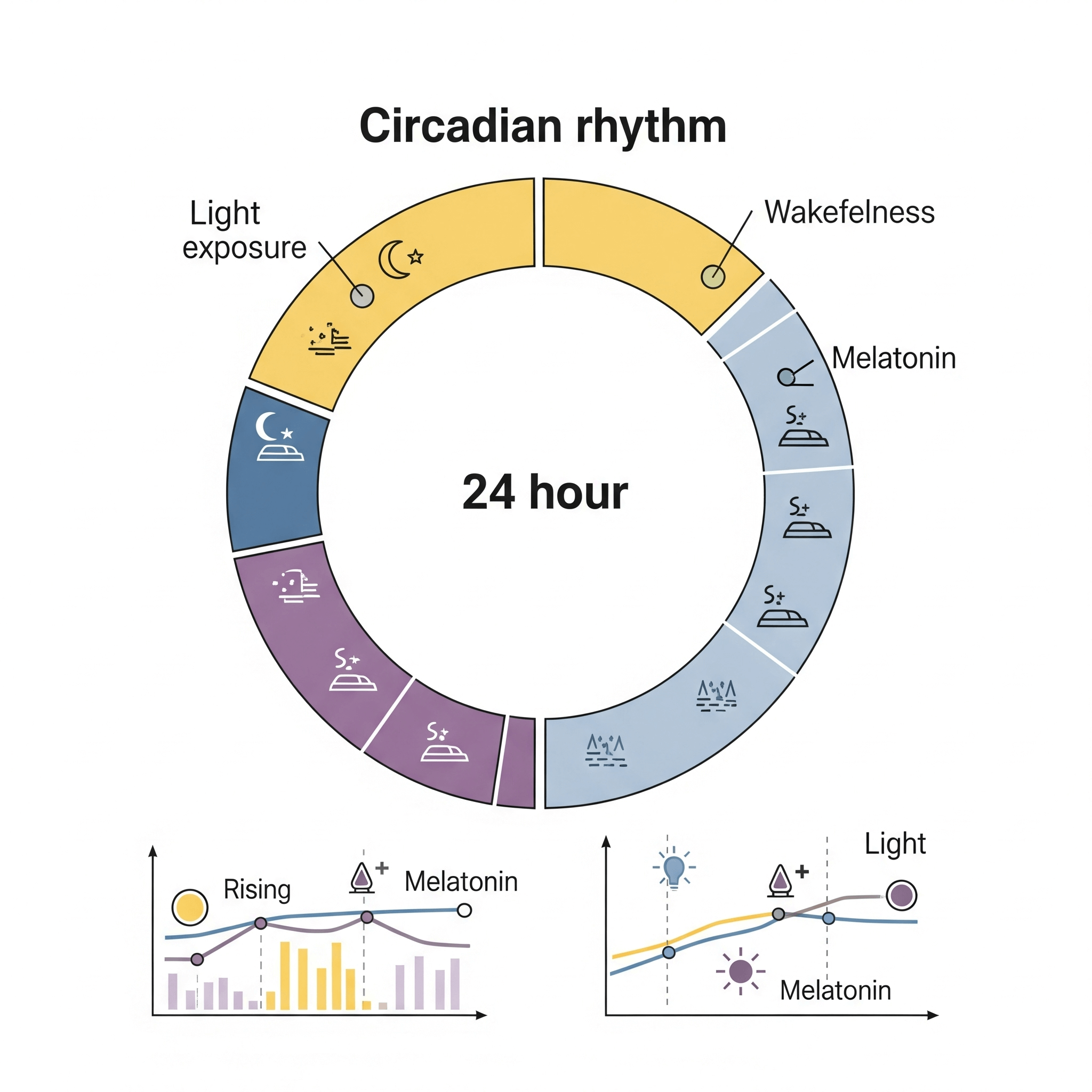
Consistent, quality sleep is the single most impactful lifestyle change for migraines. There's a significant link between poor sleep and migraines. This is all about sleep timing (what time and how much) and the quality of sleep cycles within the circadian rhythm. Your circadian rhythm is your body's internal 24-hour clock, regulating essential functions like sleep-wake cycles, hormone release, and crucially, neurotransmitter synthesis. Disruptions to this rhythm are major migraine triggers. Both too much and too little sleep can throw your system off balance.
We have different sleep cycles, each lasting between 90 to 100 minutes. It's easier to wake up during light sleep cycles. Deeper, quality sleep has a better chance of clearing toxins like adenosine (which caffeine blocks, by the way!). A well-regulated circadian rhythm significantly increases the quality of sleep stages. The release of melatonin, a key hormone for sleep, is directly influenced by light entering your eyes; more light means less melatonin.
Tips to regulate your circadian rhythm and optimise sleep:
- Create a regular routine: Stick to a consistent bedtime and wake time, even on weekends. This regular rhythm helps to synchronize your internal clock and optimize neurotransmitter activity, reducing the likelihood of migraines.
- Get morning light and exercise: Expose yourself to natural light first thing in the morning and engage in some exercise to kickstart your circadian rhythm.
- Avoid sleeping in or "catching up" on sleep: While tempting, this can actually trigger migraines by further disrupting your rhythm.
- Consider a strategic nap: Prescribe yourself a 20-minute nap no longer as you will go into a deep sleep and definitely no later than 2 PM or it will affect your sleep.
- Craft an evening routine: Pay attention to your last meal (avoiding heavy, late meals) and drastically reduce light exposure (especially blue light from screens) in the hours leading up to bedtime.
- Shift workers: Try using blackout blinds to help increase melatonin
Want to discover how optimising your sleep can drastically reduce your migraine frequency? I can guide you through personalised strategies! We can explore your current sleep patterns and uncover areas for improvement, helping you reclaim restorative rest and building brain resilience.
Managing Stress: A Migraine's Best Friend (and Your Worst Enemy)
Stress is a notorious migraine trigger. It profoundly affects your nervous system and can deplete vital neurotransmitters. Learning to manage it effectively is paramount.
- Identify your stressors: What situations or thoughts consistently lead to stress for you? Awareness is the first step.
- Practice relaxation techniques: Incorporate deep breathing exercises, meditation, yoga, or mindfulness into your daily routine. Even a few minutes can make a significant difference in regulating your stress response and supporting neurotransmitter balance.
- Prioritize self-care: Make dedicated time for hobbies, activities you genuinely enjoy, and spending time with loved ones. These are not luxuries; they are essential for your mental and physical well-being.
Feeling overwhelmed by stress and its impact on your migraines? Let's work together to develop effective coping mechanisms and reclaim your calm.
Hormonal migraines: Why Women Are More Affected
Hormonal migraines, particularly menstrual migraines, are closely linked to fluctuations in oestrogen levels, often triggered by the sharp drop in oestrogen that occurs just before menstruation. This sudden decline can disrupt pain pathways and lead to a migraine attack in susceptible individuals. Adding phytoestrogen rich food such as soy based products and flaxseeds can really help. Phytoestrogens, which are plant-derived compounds structurally similar to human oestrogen, may offer a natural approach to help stabilize these hormonal shifts. By binding to oestrogen receptors in the body, phytoestrogens might exert mild oestrogenic effects, potentially buffering the dramatic oestrogen dips and contributing to a more consistent hormonal environment, thereby reducing the frequency or severity of hormonally-triggered migraines.

However, research is still ongoing, and individual responses can vary, for me the additional of a phytoestrogen supplement was the way ahead, despite eating lots of tofu it wasn’t enough but the supplement was the answer.
The supplement I found helped >>>>Phytoestrogen Essential Complex 1 -2 of these a day kept me migraine free and not only that can help support your hormones in a multitude of ways.
If you are ready to start your journey towards clearer, pain-free days? Reach out today to schedule a consultation! Let's transform your migraine experience together.
Ready to embrace a holistic path to well-being for your entire family – paws and all? As a medical doctor specialising in integrative health, essential oils, and animal behavior, I offer tailored consultations designed to empower you and your beloved pets. Contact me to arrange a 15 minute discovery call
Connect with me:
Follow On Social Media
Please remember: Information shared is for educational purposes and not a substitute for medical or veterinary advice. Always consult with a qualified professional for specific health concerns