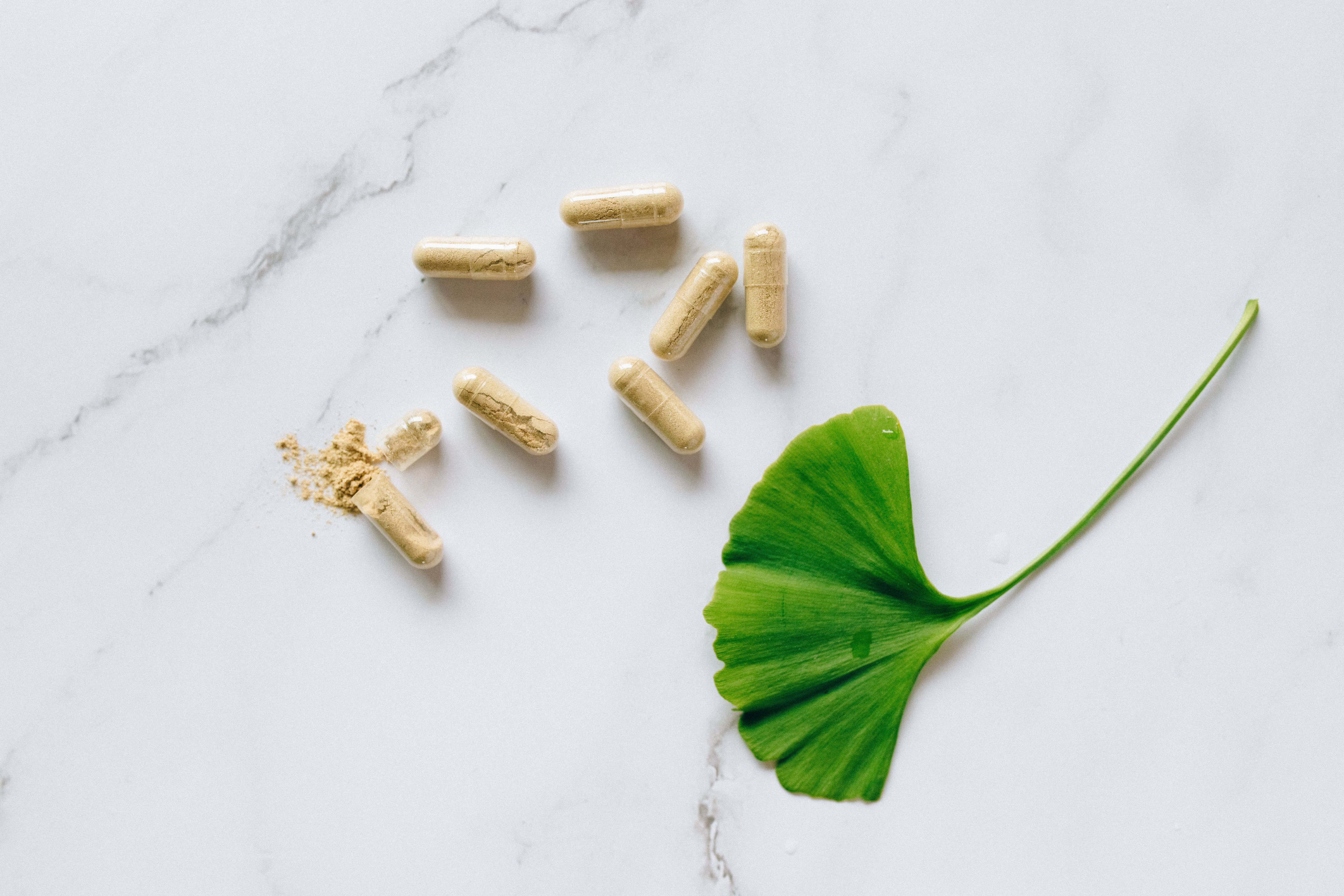
 Would you benefit from taking digestive enzymes? Do you have gut intolerances, skin sensitivity, ligament issues (studies show decreased injury in humans when on a digestive enzyme), need immune support or other physical or emotional concerns?
Digestive enzymes are becoming popular supplements and a lot of their popularity is due to minimal side effects and intolerances and I often wondered if they were actually necessary and so I researched them and this is what I found.
First off, what are enzymes?
Enzymes occur naturally within the body and are specialized proteins that function as catalysts for almost all cellular functions and chemical reactions throughout the body. Enzymes play a critical role in growth, healing, and reproduction. They are also necessary for breathing, thinking, immune function, hormone regulation, detoxification, and thousands of other biochemical functions. Enzymes are also necessary for digesting food nutrients and converting nutrients to energy in cells.
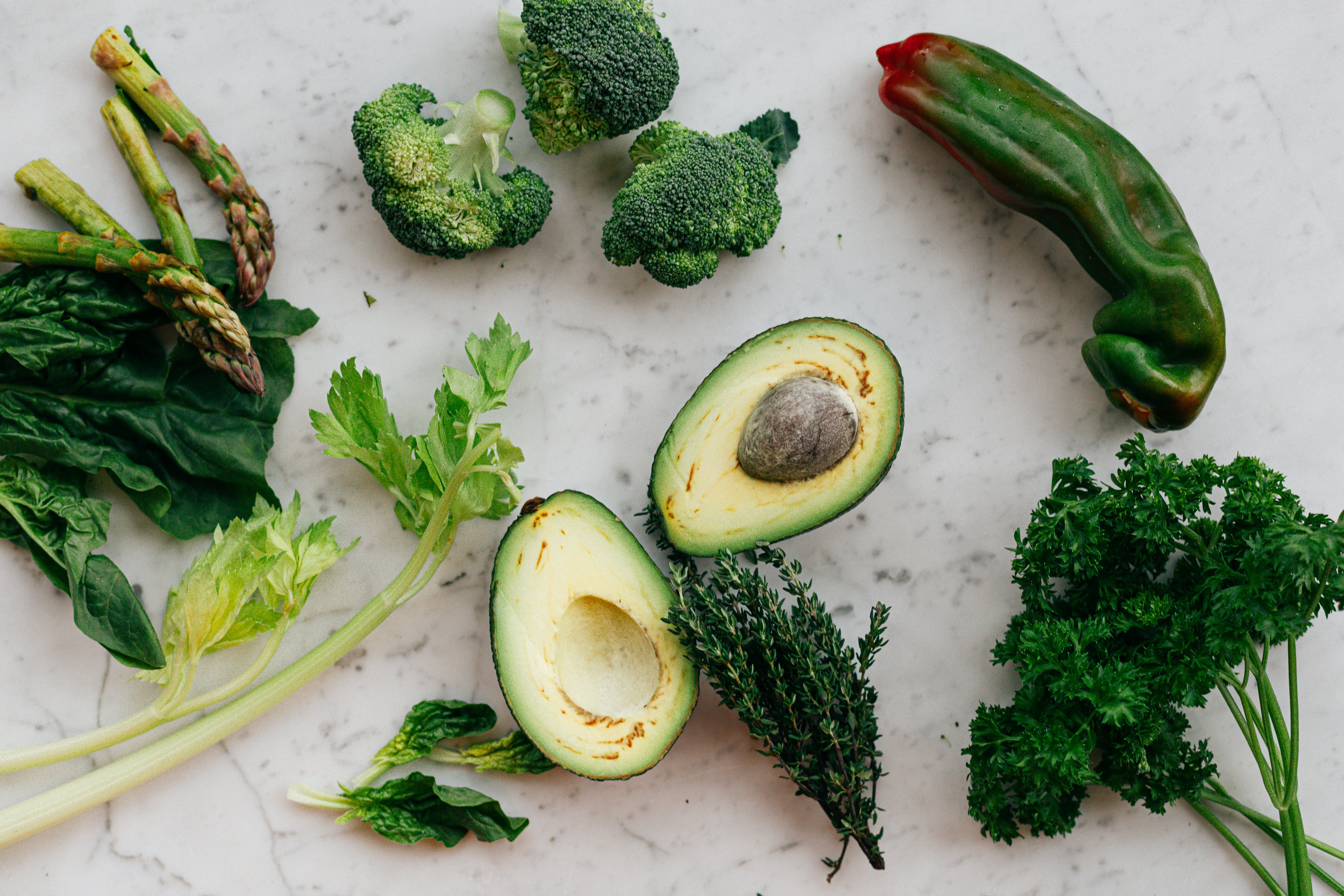
Many foods actually contain enzymes too but the body’s ability to constantly produce metabolic and digestive enzymes is limited by raw material availability and production capacity and the more we heat our food the more enzymes that get destroyed and that is even in a non-processed diet but a raw food diet is not for everyone’s cup of tea and let’s face it somethings need to be cooked. If our diets do not include sufficient food enzymes to break down the food we eat, our body’s endogenous enzyme resources must be directed toward the production of digestive enzymes to speed conversion of food to bioavailable nutrients this can then result in decreased levels of metabolic enzymes that are critical for optimal health and cell function. .
The Digestive Process
The breakdown of food starts in the mouth and continues along the intestinal tract, nutrients are released and can be absorbed across the intestinal barrier into the bloodstream so one of the main functions of digestive enzymes is to increase the bio-availability of nutrients, in a nutshell how many nutrients are available out of the food you eat to you. Now there are many reasons that digestive enzymes may be lacking and some are concerned with the pancreas or maybe a problem with the gallbladder and that is really out of the scope for this blog. However, other reasons such as alcohol abuse, micronutrient deficiency, a diet high in refined carbohydrate, too little or too much exercise but it may be individual food sensitivities, chronic gut infection or inflammation or repeated antibiotic exposure which affects gut microbial, digestive and liver health. Then there are emotional stresses too. Pregnancy can also result in decreased digestive enzymes due to the extra demands placed on the body as well as unfortunately ageing because that leads to a decline in pancreatic and digestive function.
This decrease can result in loads of different symptoms because when you think about If you're not digesting your food properly it's going to have repercussions throughout the body now obviously much will be related to the gut but the wider impact of digestive enzyme deficiency could be to do with your immune system it could be depression, anxiety, pms, fatigue and then there is also autoimmune conditions and other more serious gastrointestinal ones.
One of the other issues I see in a lot of patients is heartburn and indigestion and one of the common things to treat also hinders too! Proton pump inhibitors like omeprazole and gaviscon relieve symptoms but you are then reducing or blocking the production of stomach acid which means some of the food can't be digested effectively and has a knock on effect for other digestive processes which then has a knock on effect on health in general.
Once I started to investigate the digestive enzyme supplements I initially labelled as a fad I then started to appreciate and ultimately benefit from the benefits when I started taking them.
Energy Production
Adding in a digestive enzyme also helps with energy too. Digestion is one of the most energy-demanding processes in the entire human body. When your gastrointestinal tract has to work in overdrive just to break down a meal, it diverts vital metabolic energy away from everything else—leaving you feeling sluggish, heavy, and drained after eating.
By supporting your gut with targeted digestive enzymes, you take the heavy lifting off your digestive system. Instead of burning your internal battery on breaking down lunch, that energy is freed up for what matters: keeping your mind sharp, moving your body, and enjoying your day.
Getting Older & Protein Needs
Good digestion becomes even more critical as the years tick by. As we age, our natural production of stomach acid and digestive enzymes steadily declines—particularly the proteases needed to break down dietary protein into usable amino acids.
At the exact same time, our physiological need for high-quality protein increases to combat natural muscle loss (sarcopenia) and keep us strong, active, and resilient. If your gut can't efficiently break that protein down, your muscles simply can't utilise it. Digestive enzymes help bridge this gap, ensuring the nutrients you eat are effectively absorbed to fuel muscle maintenance, recovery, and daily vitality.
The Menopause Twist: Tackling Stubborn Belly Fat
For women navigating perimenopause and menopause, this protein breakdown becomes the ultimate game-changer for body composition.
As oestrogen levels drop, our metabolism shifts: insulin resistance can creep up, and the body naturally tends to redistribute fat storage toward the midsection—creating that frustrating, stubborn menopause belly fat.
The most powerful metabolic defence against this is preserving lean muscle mass:
Muscle Burns Fuel: Lean muscle is your greatest metabolic engine. The more active muscle tissue you maintain, the more calories your body burns at rest, preventing excess fuel from being stored as visceral belly fat.
The Absorption Bridge: To maintain that muscle and combat the midlife metabolic slowdown, you need higher amounts of absorbable protein.
Digestive enzymes ensure you efficiently cleave dietary protein into the bioavailable amino acids required to trigger muscle repair, balance post-meal blood sugar, and reduce uncomfortable bloating.
How To Choose Which Brand?
When choosing digestive enzymes it is important to know what you are buying and that what you are buying is effective and also safe.
Potency of digestive enzymes is absolutely crucial because this actually demonstrates the amount of activity of each enzyme in a product and it's important to know the activity rather than just the weight because the weight tells you nothing about its activity for example a digestive enzyme supplement for example that has say 40 mg of lipase you might think might be better than a smaller dose but it is actually the activity that counts.
I never used to recommend Terrazyme until I appreciated all the varied benefits and saw the result in myself, rest assured, I will only ever recommend something I truly believe in.
Terrazyme is a proprietary blend of active whole food enzymes that are supporting cofactors that support the body's constant production of enzymes that are critical for healthy functioning body processes.
DigestZen TerraZyme includes a variety of whole-food enzymes that help with the digestion of proteins, fats, complex carbohydrates, sugars, and fiber. Enzymes include lactase which breaks down lactose in milk, Anti-Gluten enzyme blend that helps with that’s right gluten and Alpha Galactosidase which helps with legumes - you know the beans that we should all be eating but often have an unfortunate effect windwise!!
As a medical doctor specializing in integrative health, essential oils, and animal behaviour, I offer tailored consultations designed to empower you and your beloved pets. Discover the transformative power of essential oils and explore my doctor-curated kits and bonuses to support your journey.
Want to chat with me and discuss you health?
Follow On Social Media
Please remember: Information shared is for educational purposes and not a substitute for medical or veterinary advice. Always consult with a qualified professional for specific health concerns.